
How Bulk & Bulker Bags Compare
At Plastipak, we’re often asked: What’s the difference between bulker bags and bulk bags? While both terms describe large capacity FIBC solutions, the naming can be confusing.
This article explains where the terms comes from, and why they outperform standard industrial sacks.
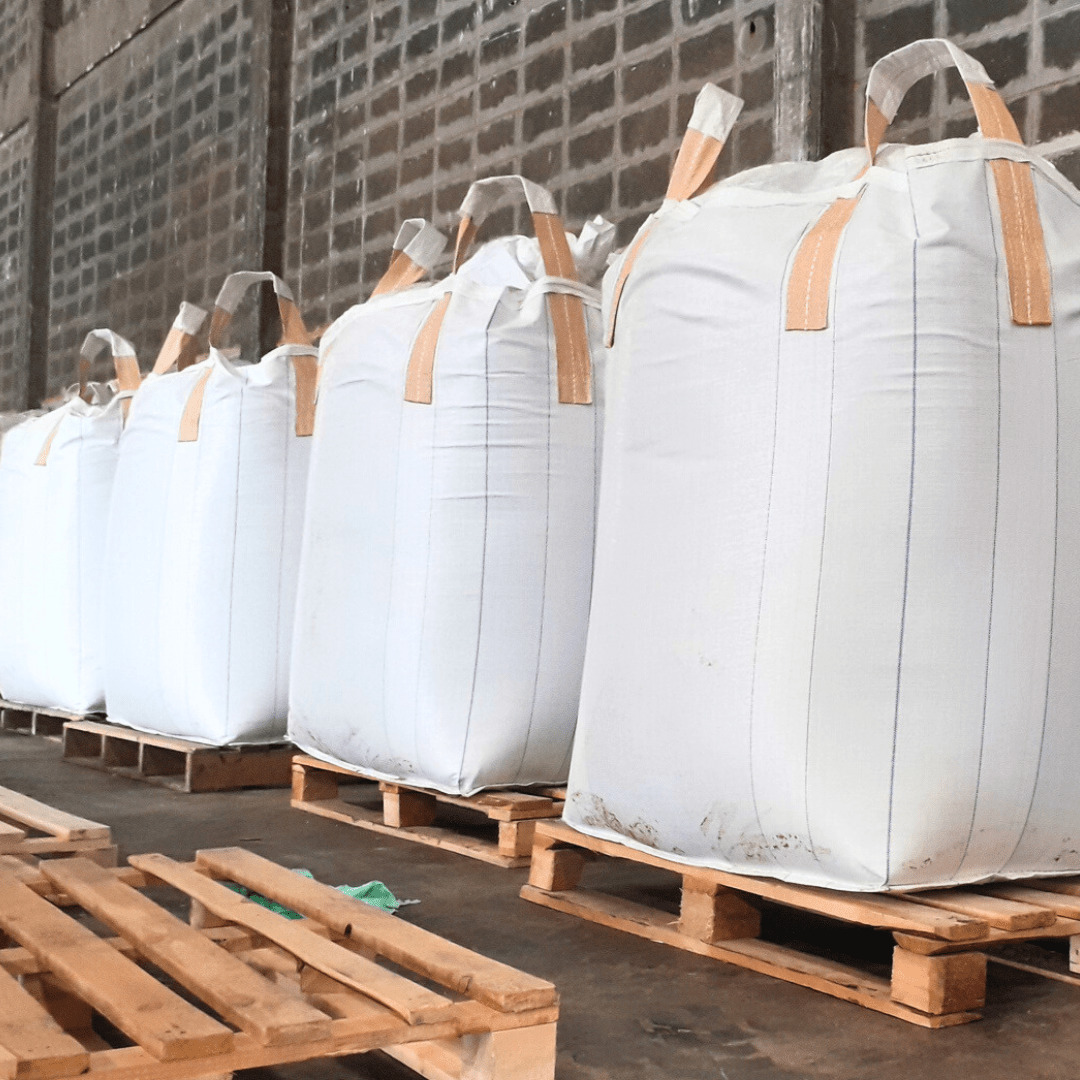
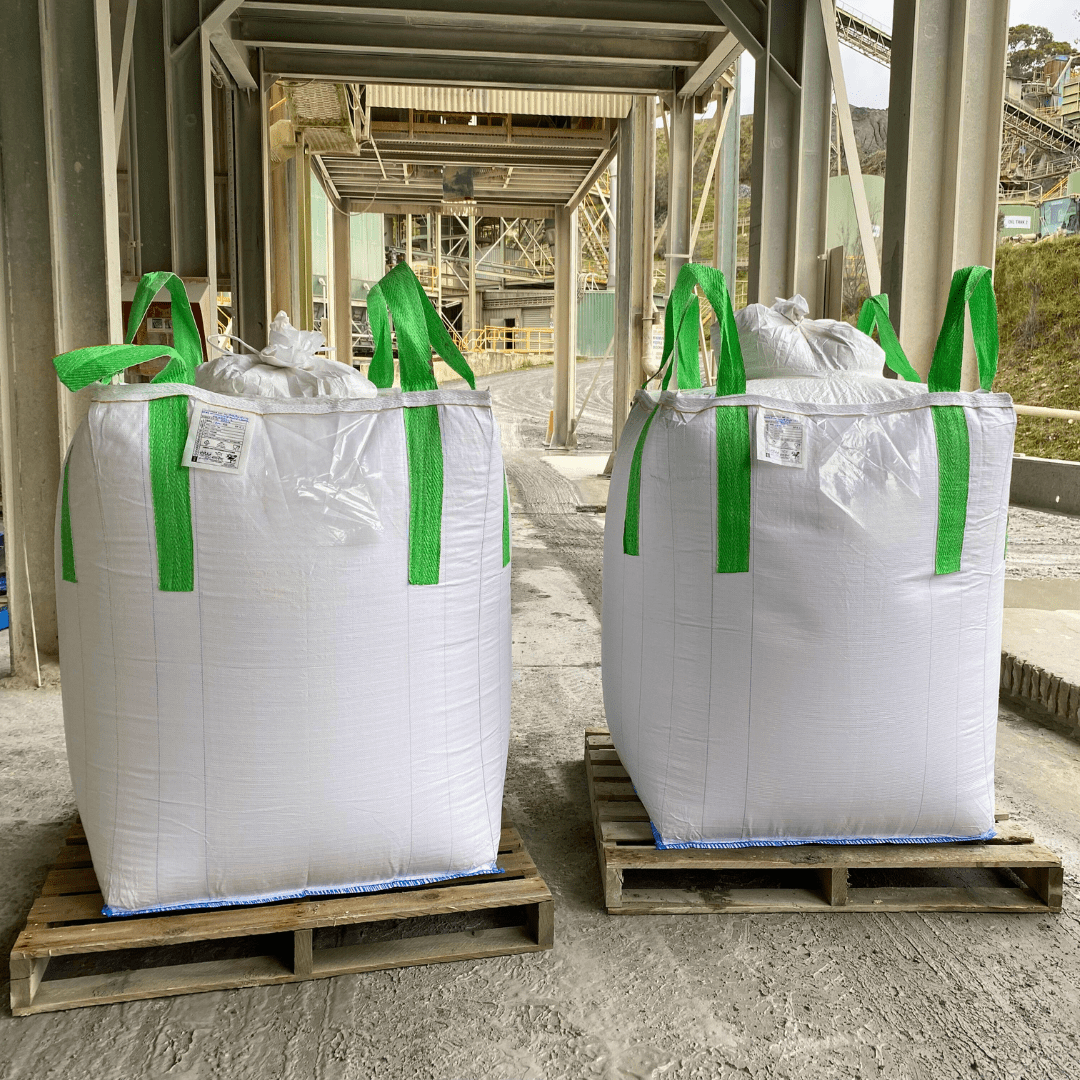
What's the Difference between Bulk & Bulker Bags?
The term bulker bag often refers to FIBCs (Flexible Intermediate Bulk Containers), used across agriculture, grain storage, construction, and mining for their strength and efficiency.
At Plastipak and throughout the industry, bulk bags is the standard global term. These FIBCs carry heavy loads with ease and are made from tough woven polypropylene.
Businesses use these large industrial FIBC sacks to export, warehouse, and transport dry materials efficiently.
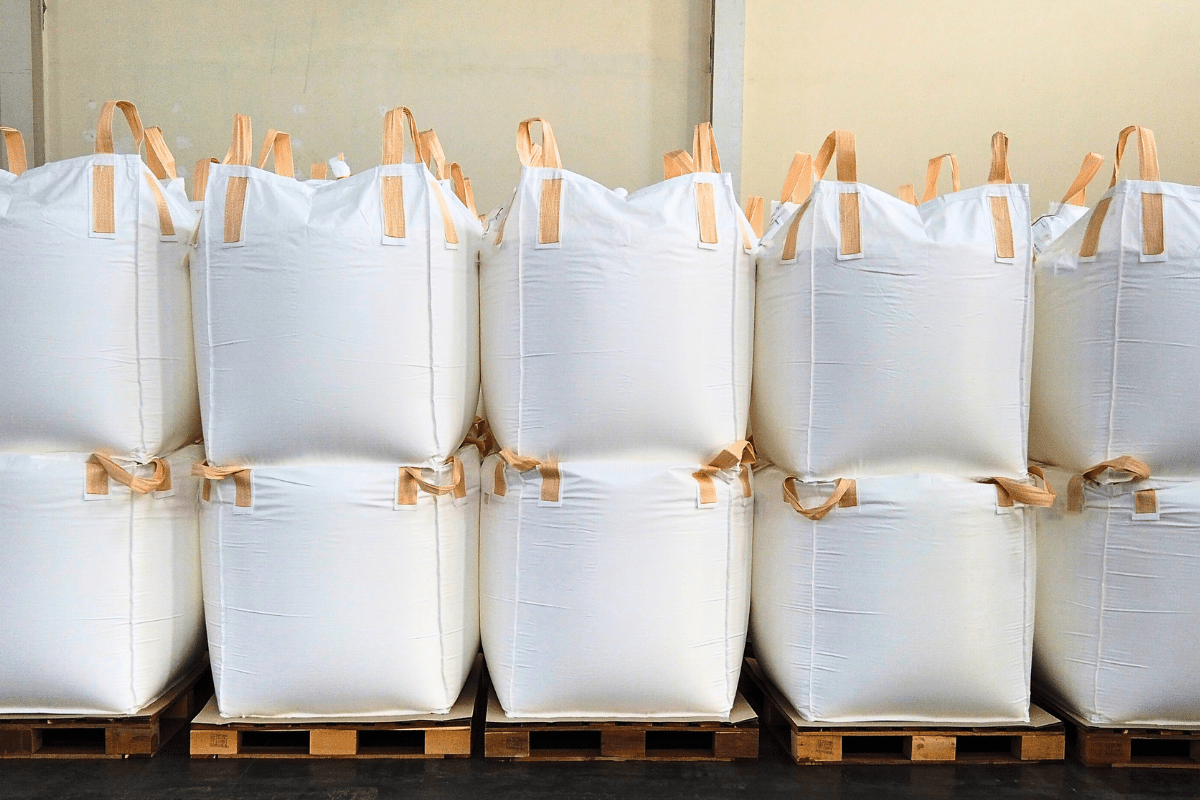
Do they vary in use?
Functionally, there is no difference between the two. The terms mean the same thing. The important point is to choose the right bag specifications for your freight needs.
Load capacity, safe working load, liners, coatings and discharge systems should all match your handling and transport requirements.
Bulk Bag Handling Applications
- Agriculture (grains, seeds, fertilizers)
- Mining (ores, minerals, coal)
- Construction materials (sand, gravel, cement)
- Chemicals and powders (resins, pigments, polymers)
- Food processing (sugar, flour, starch, salt)
- Animal feed and pet food
- Plastics and raw materials
- Recycling and waste management
- Industrial manufacturing (metal parts, rubber granules)
Bulk Bag Benefits
- Cost-Effective Transport – Lightweight design reduces shipping costs while maximizing load capacity.
- Space-Saving Storage – Stackable and collapsible, helping save warehouse and shipping space.
- Versatile Applications – Suitable for a wide range of industries, including agriculture, mining, food, and chemicals.
- Improved Handling Efficiency – Easy to fill, lift, and discharge using forklifts or cranes.
- Customizable Designs – Available in various sizes, linings, and features to match specific product needs.